

 1. A computer tower is the enclosure that contains most of the components of a computer(usually excluding the display, keyboard and mouse). Cases are usually constructed from steel or aluminum. Plastic is sometimes used, and other materials such as wood and even Lego blocks have appeared in home-built cases.
2. RAM is an abbreviation for Random Access Memory. It usually refers to "temporary" memory, which is when the system is shut down, the memory is lost. This is why the memory is referred to as being "random", as any piece of information can be circulated through the memory regardless of its location and its relation to any other information within the RAM.
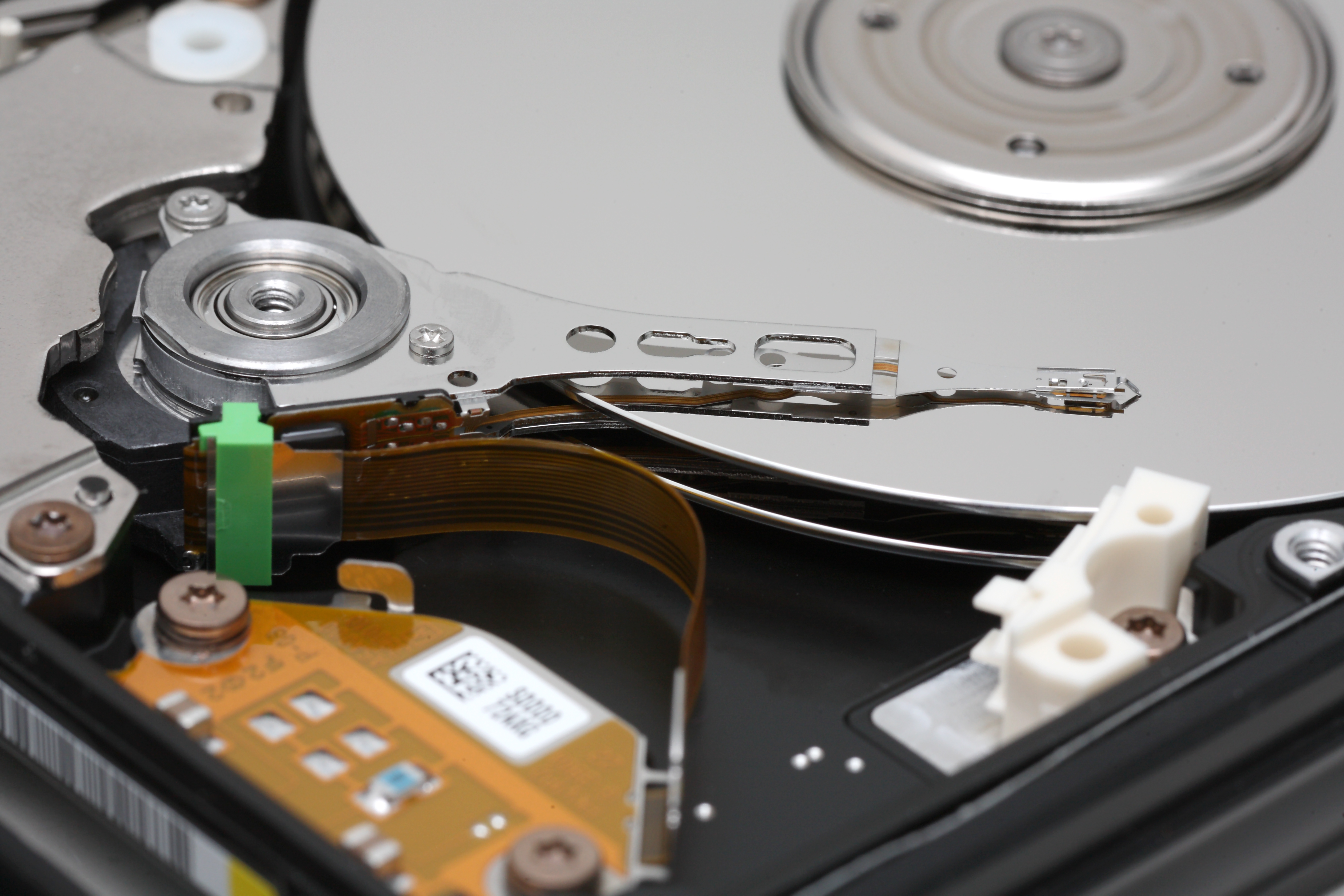 3. A hard drive is a non-volatile, random access device for digital data. It features rotating riged platters on a motor-driven spindle within a protective enclosure. Data is magnetically read from and written to the platter by read/write heads that float on a film of air above the platters.
4. DVD is an optical disc storage media format, invented and developed by Philips, Sony, Toshiba, and Time Warner in 1995. DVD discs offer higher storage capacity than compact discs while having the same dimensions. A DVD drive uses a low-power laser to read digitized (binary) data that have been encoded onto the disc in the form of tiny pits.
 5. An Ethernet cord is the cable that connects your computer to the Internet through a cable modem. It is used in wired Internet and network setups.
6. A motherboard is the central printed circuit board (PCB) in many modern computers and holds many of the crucial components of the system, while providing connectors for other peripherals.
 7. A computer bus interface for connecting host bus adapters to mass storage devices such as hard disk drives and optical drives. There is really no difference between IDE (more correctly called PATA) and SATA hard disks, except in the way they connect to the PC. The SATA connector is simpler and the cable is less fussy.
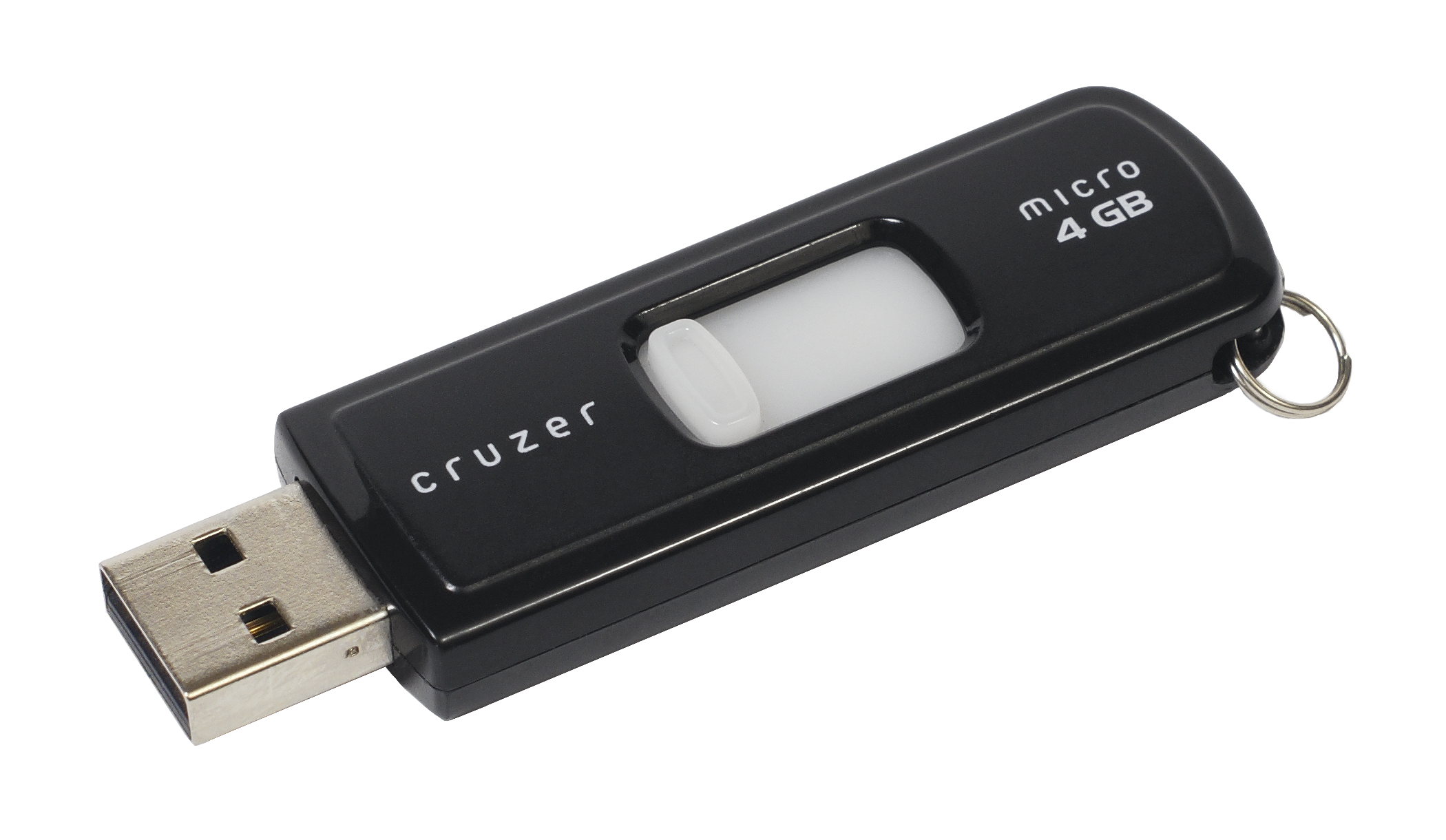 8. A USB flash drive consists of a flash memory data storage device integrated with a USB (Universal Serial Bus) interface. USB flash drives are typically removable and rewritable, and physically much smaller than a floppy disk.
  9. A video card is an expansion card whose function is to generate output images to a display. Many video cards offer added functions, such as accelerated rendering of 3D scenes and 2D graphics, video capture, TV-tuner adapter, MPEG-2/MPEG-4 decoding, FireWire, light pen, TV output, or the ability to connect multiple monitors (multi-monitor). Other modern high performance video cards are used for more graphically demanding purposes, such as PC games.
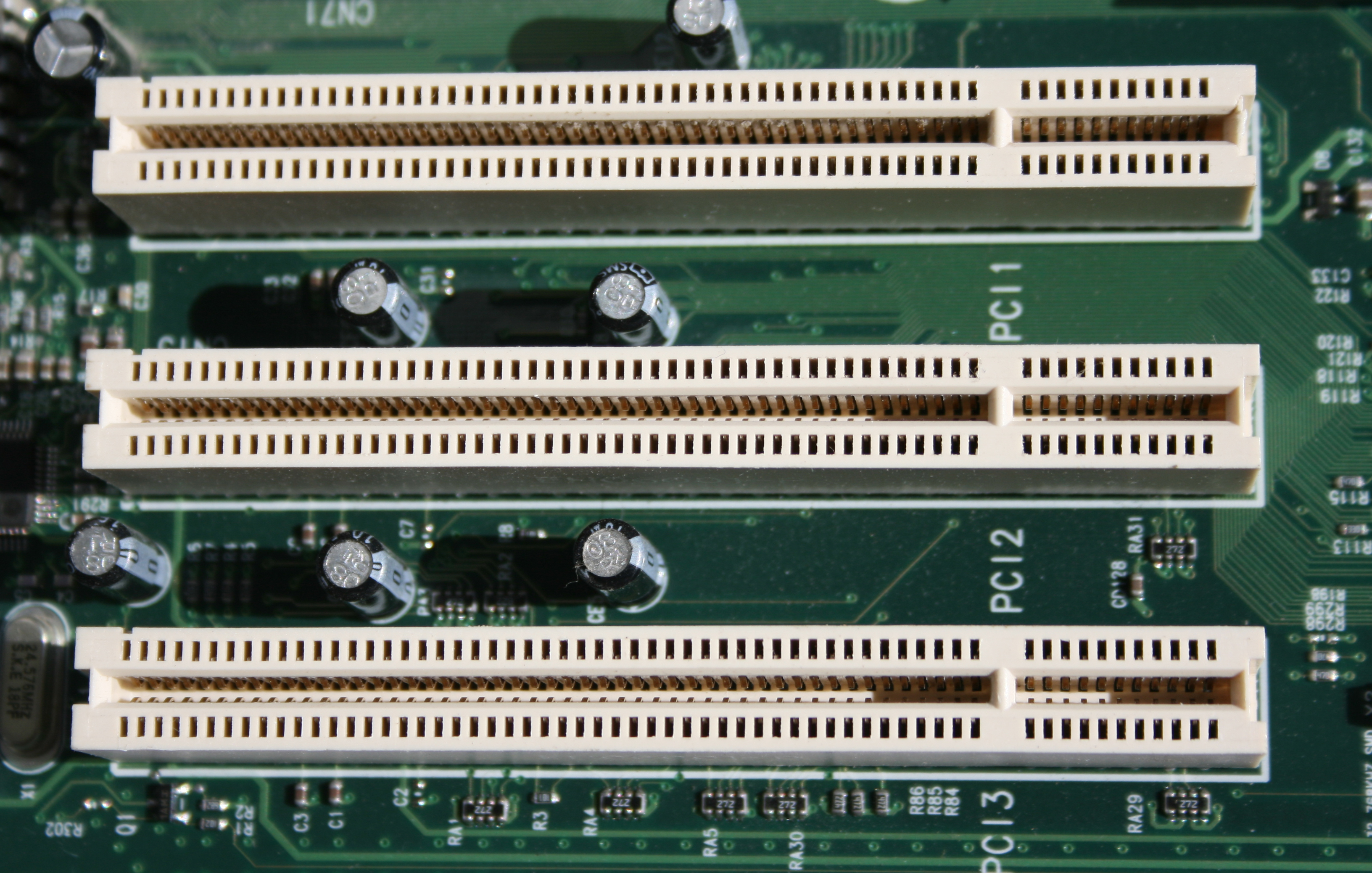 10. PCI is an initialism formed from Peripheral Component Interconnect. It is a part of the PCI Local Bus standard and often shortened to PCI is a computer bus for attaching hardware devices in a computer. These devices can take either the form of an integrated circuit fitted onto the motherboard itself, called a planar device in the PCI specification, or an expansion card that fits into a slot. The PCI Local Bus is common in modern PCs, where it has displaced ISA and VESA Local Bus as the standard expansion bus, and it also appears in many other computer types. Despite the availability of faster interfaces such as PCI-X and PCI Express, conventional PCI remains a very common interface.

No comments:
Post a Comment